Common Plumbing Issues in Huntington Beach & Westminster Homes
Homeowners in Huntington Beach and Westminster often face similar plumbing problems, such as leaky fixtures, clogged drains, corroded pipes, low water pressure, and water heater failures. This article explains these issues, their causes and effects, and practical repair or prevention steps. It also notes when professional help, for example, hiring a plumber in Huntington Beach, CA, may be needed.
Leaky Faucets and Fixture Leaks
Leaks from faucets, showerheads, or toilet fixtures are common and can waste a surprising amount of water.
- Definition/Cause: Drips or continuous leaks usually stem from worn washers, seals, or corroded valves. In toilets, a failing flapper or fill valve can cause a “running” toilet. Even a small, constant leak can waste hundreds of gallons daily (a continually running toilet can waste ~200 gal per day).
- Consequences: Persistent leaks add up. The U.S. EPA notes household leaks can waste nearly 10,000 gallons per year, raising water bills and stressing resources. Hidden leaks can also damage cabinets, floors, or drywall and lead to mold growth.
- DIY Fixes: Many drips can be fixed by replacing a worn washer or flapper. Always shut off the water supply before repair. Tightening loose fittings or replacing old supply lines under sinks can stop minor leaks.
- Risks & Mistakes: Ignoring small leaks risks larger damage later. Temporary fixes like tape or sealants often fail; it’s better to replace the faulty part. Over-tightening fittings can strip threads or crack pipes, so work carefully.
- When to Call a Plumber: If a leak persists after basic fixes or is behind a wall or ceiling, contact a professional. A licensed plumber can locate hidden leaks (using dye tests or moisture sensors) and perform secure repairs to prevent property damage.
Dripping faucets and running toilets quietly waste water over time. Addressing leaks promptly prevents water waste and protects the home. Homeowners should repair simple leaks themselves (e.g., by swapping out a faucet O-ring) and seek professional help if problems continue or the leak is inaccessible.
Clogged Drains and Sewer Backups
Slow or stopped drains and sewer backups are frequent plumbing headaches that indicate blockages in the drainage system.
- Causes: Common clog culprits include hair, soap scum, grease, and food particles. Flushing non-flushable items (wipes, diapers, sanitary products) can block sewer lines. Notably, tree roots often invade sewer pipes; about 50% of municipal sewer backups are caused by root intrusion. If multiple drains (toilet, sink, tub) back up simultaneously, it usually signals a main line clog.
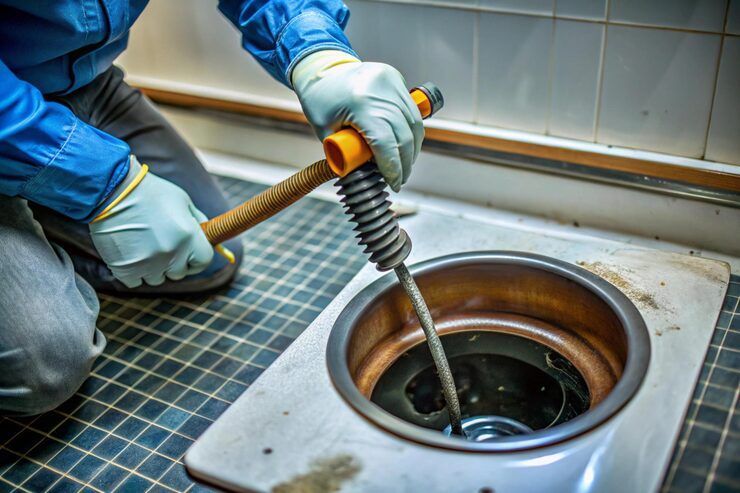
- DIY Remedies: Simple tools can clear minor clogs. A plunger or hand-crank drain snake often frees sink and tub blockages. Enzyme-based cleaners (biodegradable bacteria) can help break down organic matter. Avoid caustic chemical cleaners when possible: they can eat away pipe joints and harm septic systems. After clearing a clog, flush the drain with hot water.
- Professional Cleaning: For stubborn clogs or recurring backups, professional services are advised. Plumbers use video camera inspection to locate deep blockages (like root masses) and high-pressure hydro-jetting to blast out debris. Trenchless sewer lining or pipe replacement may be needed for severe root damage or collapsed pipes.
- Risks: Untreated clogs can cause sewage to back up into the home, creating health hazards and property damage. Slow drains allow bacteria to grow, emitting foul odors. Overflowing toilets or sinks can harm cabinets, floors, and walls.
- Cost and Impact: Simple plunging is low-cost and quick. Professional drain cleaning typically costs around $100–$250, depending on severity. Sewer line repairs run higher, but delaying fixes leads to increasingly expensive damage and cleanup.
Minor clogs (like a slow sink) can often be remedied by home methods, but widespread backups require expert care. Prompt clearing of drain clogs keeps wastewater flowing and prevents overflow issues. Multiple backups or lingering odors are warning signs to get the drain snaked or sewer line cleaned before serious problems develop.
Water Heater Problems and Maintenance
Malfunctions in water heaters (tank or tankless) frequently leave homes without hot water or cause leaks and inefficiency.
- Common Issues: Typical signs include no or low hot water output, water that gets hot then cools quickly, loud rumbling sounds from inside the tank (tank models), or water pooling around the heater. Discolored or smelly water can indicate rust or bacterial buildup. In gas heaters, pilot light or burner problems can cause flameouts.
- Causes: Sediment and mineral buildup is a major cause. Over time, hardness minerals accumulate in the tank or on heating elements, making the heater less efficient and leading to hot/cold cycling. Electrical element or thermostat failure can stop heating altogether. Aging tanks develop corrosion, and valves (pressure relief valve, drain valve) may leak with age.
- Maintenance: Flushing the tank yearly removes accumulated sediment. Check the anode rod (sacrificial rod that prevents tank corrosion) every few years and replace it if worn. Ensure proper ventilation and clearances (for gas units). For tankless heaters, descaling (often with a mild acid solution) every 1–2 years is recommended in hard-water areas.
- Lifespan & Replacement: Tank heaters typically last 10–15 years; tankless systems can last 20 years or more. An old or failing heater can leak or fail suddenly. If repairs become frequent or the unit is over its expected age, replacement should be considered to avoid emergency breakdowns.
- Risks and Costs: A leaking water heater can flood its area. Gas leaks or faulty venting can pose safety risks, so address gas heater issues immediately. Repairing small problems (e.g., replacing a heating element or thermostat) may cost $100–$300. Replacing a tank heater often runs $1,000–$1,500 (including labor); tankless units cost more. Regular maintenance is much cheaper than emergency replacement.
Aging water heaters often show deposits or corrosion. Regularly flushing and inspecting the heater can extend its life. However, if the unit frequently loses hot water or drips at the base, it may need repair or replacement. Ensuring water heater health (by maintenance or timely upgrades) keeps showers hot and utilities safe.
Water Pressure Irregularities
Water pressure that is too low or too high can indicate plumbing issues. Stable, adequate pressure is important for fixtures and appliances.
- Low Pressure Causes: Low flow at faucets or showers may stem from clogged faucet aerators or showerheads (due to mineral deposits), partly closed shutoff valves, or scale buildup in pipes. Leaks in supply lines also reduce pressure. If all house fixtures have low pressure, check the main shutoff valve and regulator. In Orange County, low pressure throughout the house often means a supply issue (main line problem or city supply).
- High Pressure Causes: Excessive pressure (often above ~80 psi) can damage plumbing over time. High pressure often results from a malfunctioning pressure regulator or water supplier issues. The Smart Choice guide notes strong pressure “stresses supply lines, valves, and appliance connections” and leads to water hammer or premature leaks.
- Troubleshooting/Steps: For low pressure, first inspect and fully open any shutoff valves (under sinks or near meter). Remove and clean faucet aerators or shower heads. Test water pressure with a gauge; if it’s low everywhere, call the utility to check the supply. For suspected high pressure (banging pipes, frequent faucet leaks), have a plumber measure static pressure. Installing or adjusting a pressure-reducing valve can bring pressure to a safe range.
- Risks of Ignoring: Low pressure makes everyday tasks (showering, filling tubs) slow and can shorten appliance life. High pressure can cause constant leaks (toilets, washing machines) and stress older pipes, leading to sudden bursts. Both extremes may incur hidden damage if unchecked.
- Cost/Considerations: Most fixes (cleaning aerators, adjusting valves) are inexpensive DIY. Installing a pressure regulator or booster requires a plumber and costs a few hundred dollars. Monitor pressure regularly to avoid costly pipe or appliance damage.
A balanced pressure ensures fixtures work properly without harm. Homeowners should avoid “boosting” pressure with pumps (which hides the real issue) and focus on the root cause. If basic checks (valve, aerators) don’t restore pressure, a professional plumber can adjust the regulator or diagnose supply issues.
Hard Water and Mineral Buildup
Orange County’s water is naturally hard, meaning it has high mineral content (calcium and magnesium). Huntington Beach’s water registers around 9–16 grains per gallon (moderately hard). While hard water isn’t unsafe to drink, it can create plumbing issues.
- Scale Formation: Dissolved minerals precipitate out when water is heated or evaporates, forming scale on plumbing and appliances. This can appear as white crust on faucets, cloudy spots on dishes, or mineral buildup on showerheads. Inside water heaters and pipes, scale accumulation reduces flow and heat transfer. As noted by industry sources, sediment buildup in hot water tanks often causes noisy heaters and limits hot water supply. Over time, scale on heating elements forces the heater to use more energy.
- Fixture Effects: Mineral deposits can clog faucet aerators and shower nozzles, leading to poor flow. Regularly removing and soaking these parts in vinegar will keep water flowing. If water comes out unevenly, clean or replace the aerator/screen.
- Water Softeners: Many homeowners install water softeners or conditioners to deal with hardness. Softening (ion exchange) removes calcium/magnesium but adds sodium to the water and requires salt and maintenance. Note that water softeners use extra water to regenerate (often 15–120 gallons of backwash per 1000 gallons treated). The cost of salt, water, and equipment should be weighed against the benefits.
- Alternatives: If a full softener isn’t used, point-of-use filters or magnetic descalers claim to reduce deposits (though effectiveness varies). At minimum, using a descaling agent in the washing machine or occasional acid flush in a water heater can help.
- Costs and Trade-offs: Installing a home softener can cost $1,500 or more, plus salt. Maintenance is needed to prevent buildup in the system. Without softening, expect to descale fixtures regularly. Some municipal guidelines note that hard water actually coats copper pipes with a protective layer, so worry is mostly about appliances and hard-to-reach spots.
In practice, clean hard-water buildup with household vinegar or commercial descalers. A water softener can prolong fixture life but requires ongoing expense. Regardless, managing hard water with routine maintenance (flushing heaters, cleaning aerators) keeps plumbing running smoothly in Huntington Beach and Westminster homes.
Sewer Line Blockages and Slab Leaks
Hidden issues like main sewer blockages or leaks under the concrete slab require prompt attention to avoid major damage.
- Tree Roots & Sewers: Tree roots commonly invade cracked sewer lines, blocking flow. City data show roughly half of sewer backups are caused by root intrusion. If a toilet or sink gurgles or backs up even after snaking, roots may be at fault. Sewage odors or unexpectedly discolored water can also signal a main sewer issue.
- Slab Leaks: In homes built on concrete slabs, water supply lines run beneath the foundation. Even a small leak under the slab can waste gallons undetected. Warning signs include an unexplained jump in water bills, persistently wet or warm spots on the floor, and sounds of water running when all taps are off. Because slab leaks are hidden, homeowners should compare the water meter reading before and after shutting off all fixtures to check for leakage.
- Earthquake Effects: Southern California earthquakes can loosen pipe fittings or crack brittle plumbing. After any significant quake, check under sinks and around the water heater for new leaks. Even small post-quake leaks can lead to major water loss or mold if left unrepaired.
- Professional Detection/Repair: Complex issues need a pro. Plumbers use video cameras to pinpoint sewer clogs or leaking slab pipes. Once located, repairs might involve trenchless pipe relining or cutting into concrete to replace a section. For slab leaks, targeted excavation of the damaged pipe or rerouting lines is often required. If these problems are beyond DIY, contacting a licensed plumber in Westminster, CA (or the local area) ensures the proper equipment and expertise.
- Consequences of Delay: Ignoring sewer or slab leaks risks severe outcomes: raw sewage contamination, structural damage from constant moisture, foundation shifting, and mold. Repairing a small slab leak early saves far more than fixing damaged floors or walls later.
Early detection is key. A continuous leak under a house or a clogged main line should not be ignored. Whether using meter tests for slab leaks or camera inspection for blockages, prompt action prevents extensive damage. In Huntington Beach and Westminster, local plumbers handle these tough jobs, ensuring the sewer and supply lines are restored safely and effectively.
Conclusion
Addressing these common plumbing problems early helps prevent larger damage and expense. By recognizing symptoms – from dripping fixtures to weak flow or discolored water – homeowners in Huntington Beach and Westminster can decide when to DIY and when to seek professional help. Local plumbers like MHT Plumbing regularly handle these issues, applying best practices to keep home plumbing systems running safely and efficiently.
Frequently Asked Questions
What are the common causes of low water pressure in my house?
Low pressure often comes from clogged faucet aerators or showerheads (mineral buildup), partially closed shutoff valves, or leaks in the supply lines. It can also indicate a problem at the main water line or regulator. Checking valves and cleaning aerators is a good first step; persistent issues may need a plumber to inspect the pipes or meter.
How can I fix a running toilet?
A continuously running toilet is usually due to a faulty flapper valve or fill valve in the tank. Turn off the water supply, then inspect the flapper for wear and replace it if needed. Also check that the float and fill valve aren’t misaligned. Often it’s an inexpensive DIY fix, saving hundreds of gallons per day.
How often should I flush my water heater?
Tank water heaters should be flushed about once a year. This removes accumulated sediment and mineral scale that cause rumbling noises and efficiency loss. Tankless heaters need descaling less frequently (every 1–2 years) by running a vinegar or cleaning solution through the system. Regular flushing extends the heater’s life.
How can I prevent clogged drains?
Use drain screens in showers and tubs to catch hair and avoid pouring grease or coffee grounds down the sink. Don’t flush paper towels or other non-flushable items. Periodically running hot (boiling) water down kitchen sinks and using baking soda/vinegar treatments can help dissolve buildup. If drains slow down, plunging or a manual snake can clear blockages before they worsen.
What are the warning signs of a slab leak?
Unexplained high water bills, damp or warm spots on the floor, and the sound of water running underfoot (when nothing is on) are common signs. You can test by shutting off all water fixtures and observing the water meter; movement indicates a hidden leak. Persistent flooring damage or mold near a sink or toilet may also hint at a slab leak.
Does hard water damage plumbing?
Hard water leaves mineral deposits (scale) on pipes and fixtures, which can reduce flow through aerators and make water heaters less efficient. Over years, thick scale could lead to more frequent clogs in appliances. However, hard water does not quickly corrode pipes; in fact, a slight mineral coating can protect copper and lead pipes. Managing hard water (through regular descaling or a softener) is mainly about appliance longevity and keeping fixtures clean.
Can tree roots really clog my sewer line?
Yes. Roots seek out moisture and enter any cracks in sewer laterals. Once inside, they grow and trap grease or debris, causing major blockages. If you notice frequent multiple-drain backups or sewage odor in the yard, call a plumber to inspect the sewer line for roots. Trenchless repair or relining is often used to fix root-invaded pipes.
You might also like
Blog